
National Single Window Gains Momentum with Stakeholder Sensitisation
National Single Window Gains Momentum with Stakeholder Sensitisation
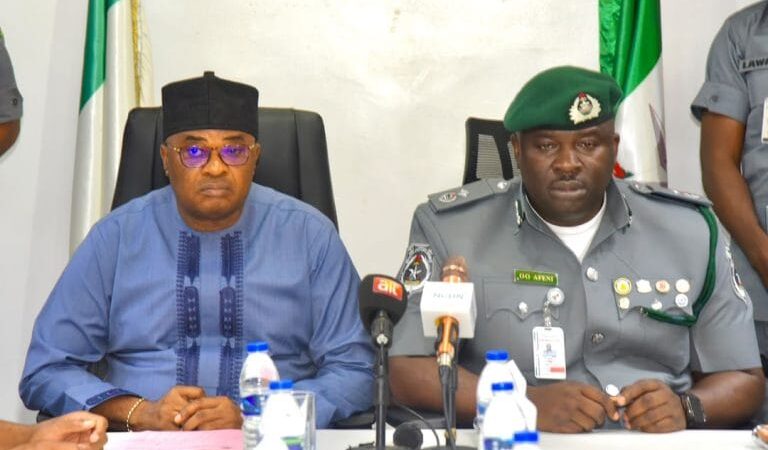
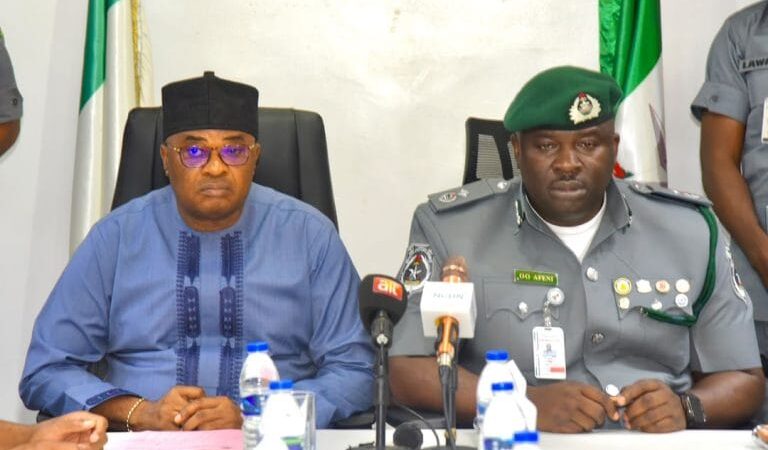
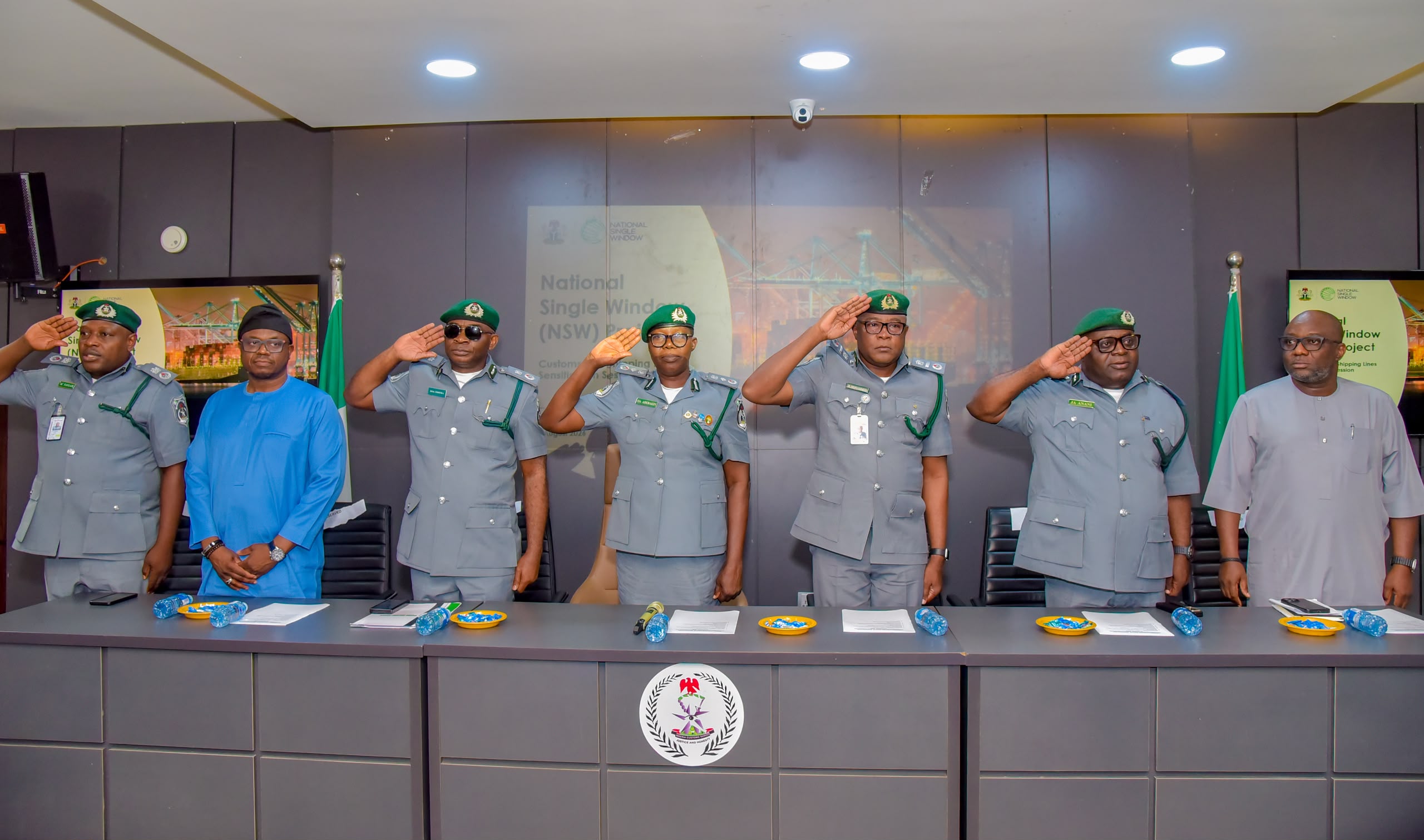
The Nigeria Customs Service (NCS), in the National Single Window (NSW) Secretariat, has stepped up implementation of the NSW through a sensitisation programme for Customs officers, shipping lines, and other maritime stakeholders as the maritime manifest submission phase begins.
At the sensitisation held at Apapa Area Command on Tuesday, 4 August 2026, Deputy Comptroller-General in charge of ICT/Modernisation, Oluyomi Adebakin, noted that the exercise builds on earlier engagements following the successful launch of Phase One of the NSW on 27 March 2026. She described the platform as an international best practice that strengthens Nigeria’s position in global trade.
“Since the introduction of the National Single Window, the country as a whole has begun to experience its benefits. Nigeria’s standing in international trade is improving, and the NCS remains committed to supporting its successful implementation,” Adebakin said. She added that the NSW enhances trade facilitation, provides reliable data, and bolsters anti-smuggling measures, while maintaining Customs’ statutory responsibilities.
Assistant Comptroller-General Mohammed Babandede, Zonal Coordinator for Zone ‘A’, stressed the importance of stakeholder engagement in policy rollouts. He urged shipping companies to submit compliant manifests promptly, noting that the sea manifest is central to cargo declaration and risk management.
National Coordinator of the NSW Project, Tola Fakolade, commended the NCS for its support, highlighting milestones such as the issuance of over 100,000 licences and permits and the registration of more than 1,000 users.
Apapa Area Controller, Comptroller Emmanuel Oshoba, praised participants for their active involvement and encouraged sustained collaboration among shipping companies, terminal operators, and other stakeholders. He emphasized that such cooperation will accelerate trade facilitation, improve compliance, strengthen transparency, and reinforce Nigeria’s competitiveness in global trade.