
Nigeria Financial System Needs a Proactive Media, Says Chima
Nigeria Financial System Needs a Proactive Media, Says Chima
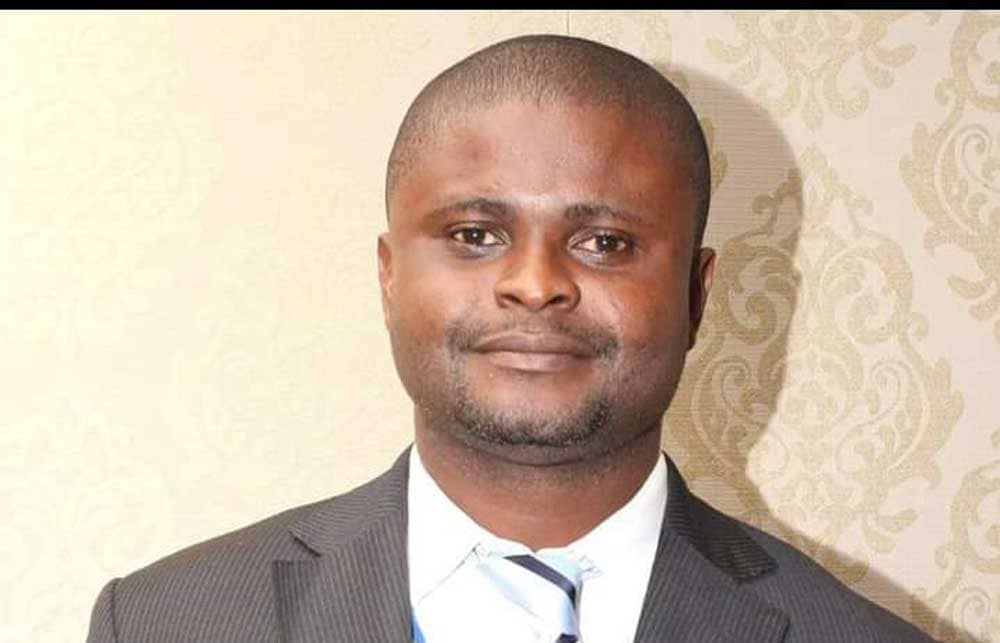
The Editor of Saturday THISDAY Newspaper, Dr. Obinna Chima has called for a more knowledgeable, independent, and technology-driven financial media to support Nigeria’s efforts to build a resilient and future-ready financial system.
Chima made the call while delivering a paper titled “The Role of the Media in Building a Future-Ready Financial System” at the 38th Seminar for Finance Correspondents and Business Editors held at Lake GreenField Hotels and Towers, Abuja.
He said Nigeria’s financial system was undergoing fundamental changes, driven by bank recapitalisation, tax reforms, fintech innovations, digital financial services and the growing application of artificial intelligence, stressing that the media must evolve alongside these developments.
According to him, the ability of the financial system to withstand future shocks would depend not only on capital, technology, regulation and institutional governance, but also on the quality and credibility of information available to the public.
Chima argued that Nigeria could not build a genuinely future-ready financial system without a future-ready financial media because financial systems ultimately depend on trust.
He described financial journalists as a critical link between highly technical financial institutions and the wider public, including consumers, market women, students, teachers, policymakers and other stakeholders who may not understand the technical language of banking, monetary policy and financial markets.
He said the responsibility of the financial journalist was, therefore, no longer limited to reporting figures and official announcements, but increasingly involved interpreting complex financial developments and explaining their implications to ordinary Nigerians.
“The finance correspondent of the future must increasingly become an interpreter of financial information,” noting that when a bank reports a significant increase in profit, the journalist must go beyond reporting the figure to interrogate what drove the growth and what it means for customers, shareholders and the wider economy. Chima said
He identified bank recapitalisation, tax reform, and the fintech revolution as some of the developments requiring deeper and more analytical reporting by financial journalists.
The THISDAY editor also warned that the rapid spread of information through digital platforms had created new challenges for journalism, particularly the proliferation of misinformation and unverified financial claims.
He urged journalists to make verification a defining discipline of modern financial reporting by establishing the origin and credibility of information, authenticating documents, checking whether information was current, and independently verifying claims before publication.
According to him, while speed remains important in journalism, accuracy and credibility must not be sacrificed in the race to break news.
Chima further charged the media to play a stronger role in financial education, arguing that increasing digital access to financial services would not automatically translate into financial literacy.
He noted that as financial products and services became increasingly sophisticated, the information gap could become as dangerous as the financial access gap.
He said, “A financially included citizen who does not understand the product being offered to him may remain vulnerable,” stressing the need for journalists to explain financial reforms and products in clear language that Nigerians could understand.
On corporate governance, Chima said the media must strengthen its watchdog role by scrutinising the activities of financial institutions and public-sector agencies before problems degenerated into crises.
He, however, cautioned journalists against crossing the line between watchdog journalism and regulation, saying the media should neither become an alternative regulator nor a public-relations extension of the institutions it covers.
He called for a more constructive relationship among banks, regulators, and the media, noting that financial institutions also require credible media platforms to communicate effectively with the public.
Chima said the finance journalist of the future would require knowledge beyond traditional journalism, including banking, economics, and accounting, as well as technology, data analytics, cybersecurity, artificial intelligence, and digital regulation.
He urged financial journalists to develop the capacity to read annual reports, interpret balance sheets, interrogate regulatory statements, analyse datasets, and understand emerging technological innovations.
He also called on institutions including the Central Bank of Nigeria, the Nigeria Deposit Insurance Corporation, the Securities and Exchange Commission, banks, professional bodies and media organisations to invest in sustained capacity building for financial journalists.
According to him, training should move beyond occasional seminars to continuous professional development that would enable journalists to keep pace with the rapidly changing financial ecosystem.
He further warned that the growing use of artificial intelligence in information production made capacity building even more urgent, as journalists must understand the technology sufficiently to identify AI-generated misinformation and manipulated content.
Chima said the future of journalism should not be framed as a choice between journalists and technology but as a combination of technology and professional judgment.
He maintained that credibility should be regarded not merely as an ethical virtue but as an institutional asset essential to the stability of the financial system.
He said Nigeria would be better positioned to achieve sustainable economic transformation if it could build innovative and responsible banks, agile regulators, financially literate consumers, and journalists who were knowledgeable, independent, and credible.
Chima concluded that information and trust remained central to the legitimacy of the financial system, stressing that the responsibility of the media in building and sustaining that trust was too important to be left to chance.
“The future-ready financial sector, therefore, needs a future-ready financial media,” he said.