
Nigerian Ports Still Trail Cotonou, Lome Ahead of MAMAL 2026

Nigerian Ports Still Trail Cotonou, Lome Ahead of MAMAL 2026
As the Annual Maritime Lecture (MAMAL) 2026 approaches, stakeholders in Nigeria’s maritime sector have raised concerns that the country’s ports remain less competitive than neighbouring hubs such as Cotonou (Benin) and Lome (Togo), despite Nigeria’s larger market size and cargo traffic.
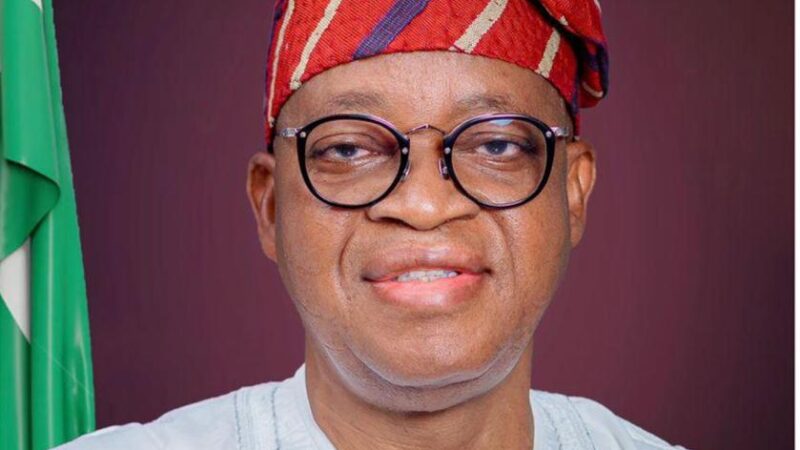
Dr. Kayode Farinto, former Acting President of the Association of Nigerian Licensed Customs Agents (ANLCA), acknowledged Nigeria’s natural advantage in market volume but warned that policy inconsistencies, inadequate terminal equipment, and uncertainty over concession renewals are eroding competitiveness.
Importers in Cotonou benefit from waivers and concessions on demurrage, making the environment more attractive. Nigerian terminal operators hesitate to invest in modern cargo-handling equipment due to unclear concession agreements. Farinto urged government to adopt consistent, predictable policies and renew concessions to encourage investment.
Okey Ibeke, Principal Consultant at International Trade Advisory Services Limited (ITASL), offered a more critical view, stating bluntly that Nigerian ports are not competitive. He cited entrenched corruption and resistance to reform, particularly along the Port Access Road, where vested interests profit from chaos.
Ibeke argued that non-compliance by importers fuels corruption among security agencies, undermining automation efforts. Unlike Nigeria, ports in Cotonou and Lome impose stricter penalties for false declarations, including outright cargo seizure.
Both Farinto and Ibeke pointed to the newly enacted Shippers’ Council Act as potentially transformative if it strengthens regulatory enforcement.
Farinto suggested stronger powers would compel shipping companies to “play by the rules.” Ibeke stressed that without improved compliance and discipline, automation alone cannot deliver competitiveness.
Nigeria’s ports handle the largest cargo traffic in West Africa, yet inefficiencies, corruption, and weak enforcement continue to push importers toward neighbouring countries. The upcoming MAMAL 2026 will focus on the theme: “Nigeria Ports Modernisation, Charges and the Competitiveness Question” — a timely opportunity to address whether Nigeria can convert its market advantage into a truly competitive port system.