

BUA’s $85m Port Harcourt Port Expansion Backed by NPA
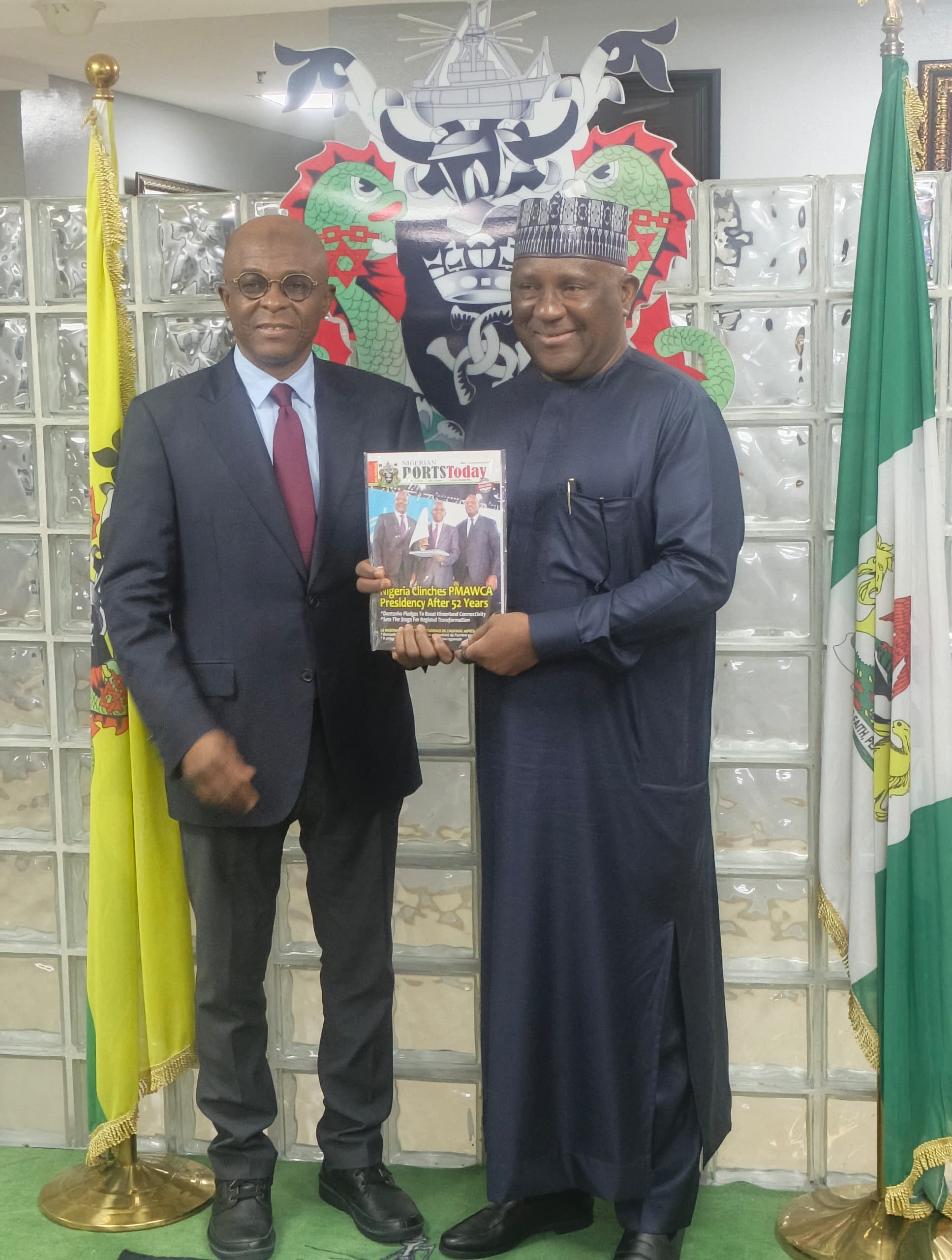
BUA’s $85m Port Harcourt Port Expansion Backed by NPA
BUA Group Chairman, Abdul Samad Rabiu, has announced a $85 million investment to expand the company’s port facility in Port Harcourt, Rivers State. The project, already at an advanced stage, will add 600 metres of seaside frontage, boosting capacity to handle vessels and cargo for BUA’s growing manufacturing operations.
The expansion will enable handling of over 2 million tonnes annually, translating to 6–7 vessels per month.
It’s critical for BUA’s operations in sugar refining, flour milling, pasta, noodles, and edible oils. It will strengthen utilisation of Nigeria’s eastern ports, reducing reliance on Lagos. Increased cargo volumes expected to generate foreign exchange earnings and enhance Nigeria’s role as a West African maritime hub.
Rabiu praised the Nigerian Ports Authority (NPA) for its support, stressing the importance of government–private sector collaboration in building infrastructure. NPA MD Abubakar Dantsoho assured continued backing, noting the project aligns with the authority’s drive to develop smart, efficient, globally competitive ports.
Responding, the NPA Managing Director, Abubakar Dantsoho, described Rabiu as a major stakeholder in Nigeria’s maritime sector and assured BUA of the authority’s continued support for the expansion.
Dantsoho said the NPA was particularly interested in supporting investments that would increase cargo volumes, improve utilisation of the eastern ports and strengthen Nigeria’s position as a major maritime hub in West Africa.
He noted that BUA had already made substantial investments in Lagos and was now extending its investment footprint to Port Harcourt, describing the development as important to achieving a more balanced port system in the country.
According to him, increased cargo volumes through Port Harcourt would create opportunities for higher import and export activities, generate more economic value and contribute to increased foreign exchange earnings.
“Now we know that he has invested a lot in Lagos. Now he’s investing also a lot in Port Harcourt. So in that way, our volumes will increase, which means that even if we are talking about exporting, we are exporting more. If we are talking about importing, we can import more. And by so doing, now we are going to make more value. That’s money from those transactions,” Dantsoho said.
The NPA boss said the authority’s strategy was to collaborate with major stakeholders and other players across the maritime value chain to improve the efficiency and competitiveness of Nigerian ports.
He said the BUA investment was expected to significantly increase cargo volumes passing through the Port Harcourt port system, adding that the growth in traffic would translate into greater economic value and revenue for the country.
Dantsoho said the NPA was committed to ensuring that Nigerian ports became more competitive and increasingly positioned to serve industries operating across the country.
He linked the BUA investment to the authority’s broader drive to develop smart, efficient and globally competitive ports, stressing that such an objective could not be achieved without sustained collaboration with major investors.
The NPA managing director also referenced recent international assessments involving S&P Global and the World Bank, which, according to him, recognised Nigerian ports, particularly Tin Can Island and Apapa, among the world’s most improved ports.
He said the recognition demonstrated that reforms and investments in the Nigerian port system were beginning to produce measurable results.
Dantsoho stressed that the development of Nigeria’s port system could not be achieved by the NPA alone, noting that continuous engagement between the authority and port users remained critical.
“We know that we have to come to them. They know that they have to come to us. This is something that must happen for us to make any progress. And we are achieving that, so give God the glory,” he said.
The Port Harcourt expansion is expected to provide BUA with greater capacity to manage the maritime logistics component of its manufacturing operations while strengthening the role of the eastern ports in Nigeria’s cargo distribution network.
With BUA projecting more than two million tonnes of raw materials and products through Port Harcourt annually after the expansion, the investment could significantly increase cargo traffic through the eastern maritime corridor and boost the commercial relevance of the port.
The project is also expected to support efforts by the Federal Government and the NPA to promote greater utilisation of Nigeria’s eastern ports and reduce excessive concentration of cargo traffic around the Lagos port corridor.
For BUA, the $85 million investment represents a strategic extension of its industrial expansion programme, while for the NPA, the project offers an opportunity to attract higher cargo volumes, increase port utilisation and deepen private-sector participation in port infrastructure development.
With the expansion expected to provide about 600 metres of seaside frontage, the project is set to become a significant private-sector investment in Nigeria’s eastern port infrastructure as BUA moves towards handling millions of tonnes of cargo through Port Harcourt.