
NCS Partners WCO, UK International Development on Anti-Corruption Framework
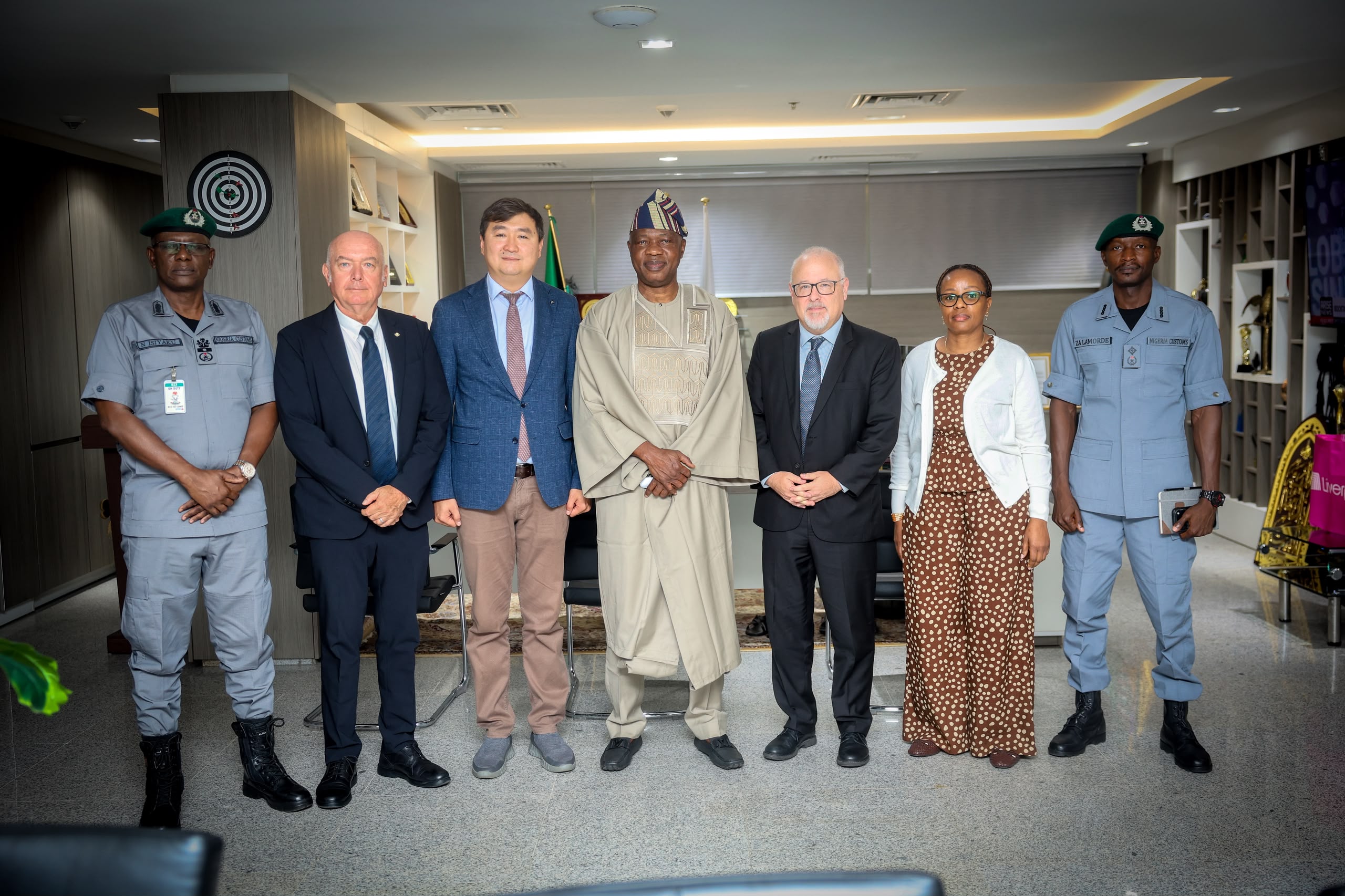
NCS Partners WCO, UK International Development on Anti-Corruption Framework
The Nigeria Customs Service (NCS), in collaboration with the World Customs Organisation (WCO) and the United Kingdom International Development, has strengthened its internal anti-corruption framework through a workshop on corruption risk analysis, risk mapping, and the development of Standard Operating Procedures (SOPs).
At the closing ceremony on Friday, 21 August 2026, held at NCS Headquarters in Maitama, Abuja, Comptroller General of Customs (CGC) Adewale Adeniyi described the mission under the WCO as a vital step toward institutional growth, integrity, and corruption risk management. He emphasized that the exercise was not about fault-finding but about identifyingy weaknesses and developing sustainable solutions.

The assessment covered critical customs processes, including regulatory and administrative procedures, clearance, inspection, enforcement, procurement, and human resource management. “The purpose of what we have been doing with our partners was to identify areas of vulnerability, assess the associated risks, and develop practical measures to mitigate them,” Adeniyi stated.
He reaffirmed NCS’s commitment to transparency, accountability, internal controls, process simplification, and the use of technology to reduce discretion. “A customs administration that is transparent, predictable, and accountable is better positioned to facilitate legitimate trade, improve compliance, and enhance public confidence,” he added.
Arman Zhalitov, WCO Lead Technical Expert for the Accelerate Trade Facilitation Programme, commended the CGC’s support and urged the working group to endorse the workshop’s outcomes, including a comprehensive action plan to advance trade facilitation and strengthen the anti-corruption agenda.
David Tanenbaum, WCO Programme Manager, highlighted achievements in Authorized Economic Operator (AEO) implementation, post-clearance audits, and the time-release study. He noted that integrity must be embedded within broader institutional reforms: “Our work continues to bring us closer to a systematic, preventive approach to identifying and managing corruption risks within customs operations.”