

FIAP Official Urges Nigeria, Spain to Expand Legal Migration Channels to Curb Irregular Travel Deaths
FIAP Official Urges Nigeria, Spain to Expand Legal Migration Channels to Curb Irregular Travel Deaths
By Prosper Okoye
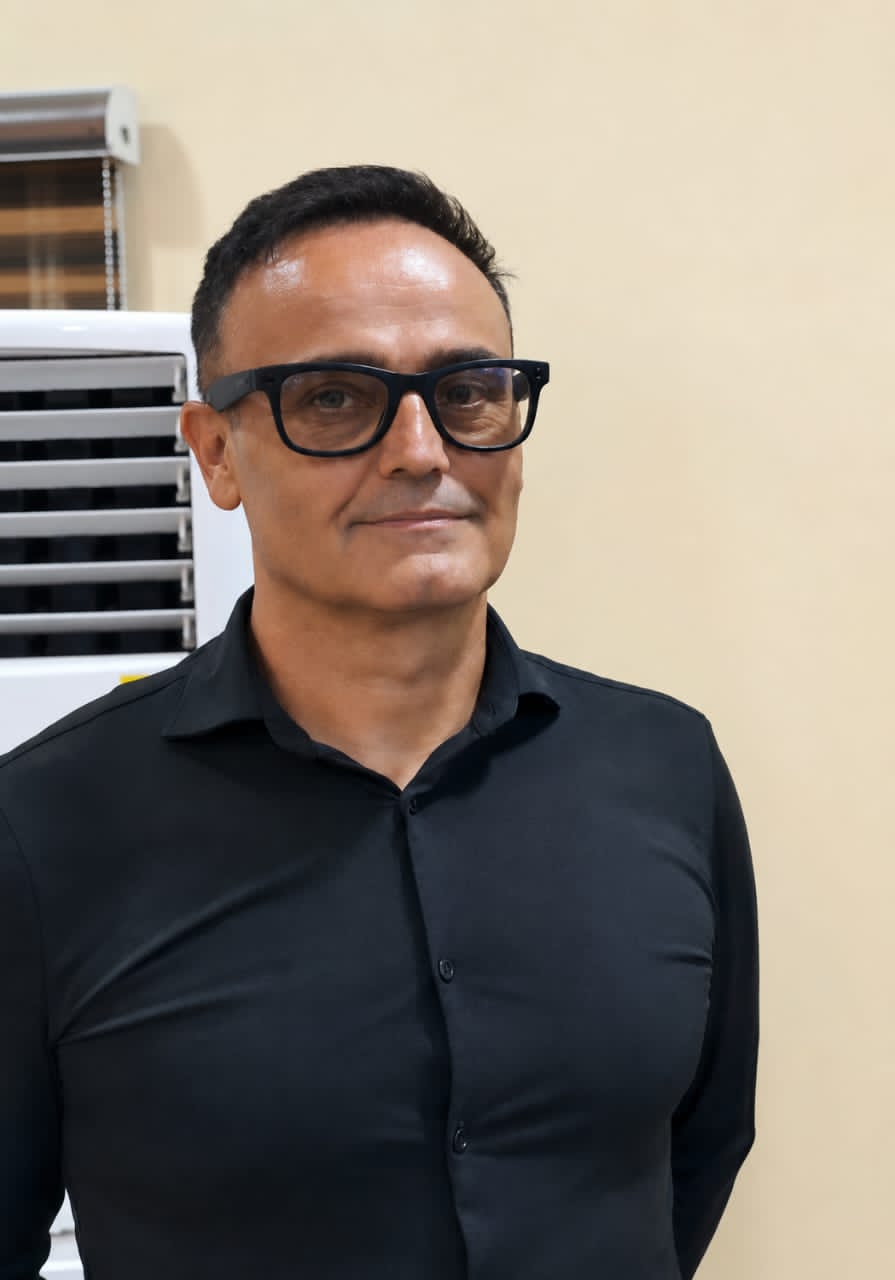
European nations and migrant-origin countries such as Nigeria must adopt structured legal migration quotas aligned with labour market demands to reduce fatalities along irregular migration routes, according to Deputy Team Lead of FIAP, Javier Leon.
Leon, a former chief inspector of the Spanish police who previously managed migrant arrivals in the Canary Islands, argued that restrictive visa policies have not reduced migration pressures but have instead forced many people into perilous and often deadly journeys.
“Europe needs migrants because we need workers,” Leon said during an interview, advocating bilateral agreements that create legal migration opportunities while strengthening cooperation on the return of irregular migrants.
His remarks come amid continued migration challenges across Europe. In 2024, tens of thousands of migrants reached Spain’s Canary Islands after crossing the Atlantic from West Africa, a route widely regarded as one of the most dangerous in the world.
Leon disclosed that approximately 40,000 migrants arrived in the islands last year, while thousands of others are believed to have lost their lives attempting the journey.
“We save a lot of lives, but many are lost in the Atlantic Ocean,” he stated.
Explaining Spain’s reception process, Leon said migrants are received at ports where police officers and Red Cross personnel conduct medical checks and preliminary interviews.
They are subsequently transferred to reception centres for identification before being relocated to facilities on mainland Spain.
According to him, migrants are usually released after initial screening procedures and are free to move within Spain and other European Union member states.
Leon noted that deportation processes remain challenging, especially when migrants arrive without valid identification or provide false information about their nationality. In many cases, countries of origin decline to acknowledge them as citizens, making repatriation difficult.
“It’s not easy to deport them,” he said, stressing the need for stronger collaboration between destination and origin countries, particularly in developing reintegration programmes for returnees.
He also dismissed claims that deportees are subjected to abuse before being returned to their home countries, insisting that those facing removal are protected by legal safeguards and receive necessary medical attention.
Addressing the issue of human trafficking, Leon revealed that many Nigerian women who enter Spain through irregular routes are often forced into prostitution to repay debts owed to trafficking syndicates that financed their migration.
He explained that victims frequently hesitate to cooperate with law enforcement agencies due to threats against their families back home, making it more difficult to dismantle trafficking networks.
Leon maintained that increasing access to legal migration pathways would significantly reduce migrants’ reliance on smugglers and traffickers while helping European countries fill critical labour shortages.
He further cited political instability and insecurity in transit countries such as Niger and Libya as factors influencing migration trends, with growing numbers of migrants now seeking opportunities in the Middle East and Gulf region rather than Europe.
“Legal migration is part of the solution,” Leon said. “If there are safe and regulated pathways, fewer people will risk their lives on dangerous routes.”