
Customs Pushes for Legislative Backing on Modernisation Drive
Customs Pushes for Legislative Backing on Modernisation Drive
The Nigeria Customs Service (NCS) has urged the Senate to strengthen its legal framework in order to support ongoing reforms and align Nigeria’s trade laws with global standards.
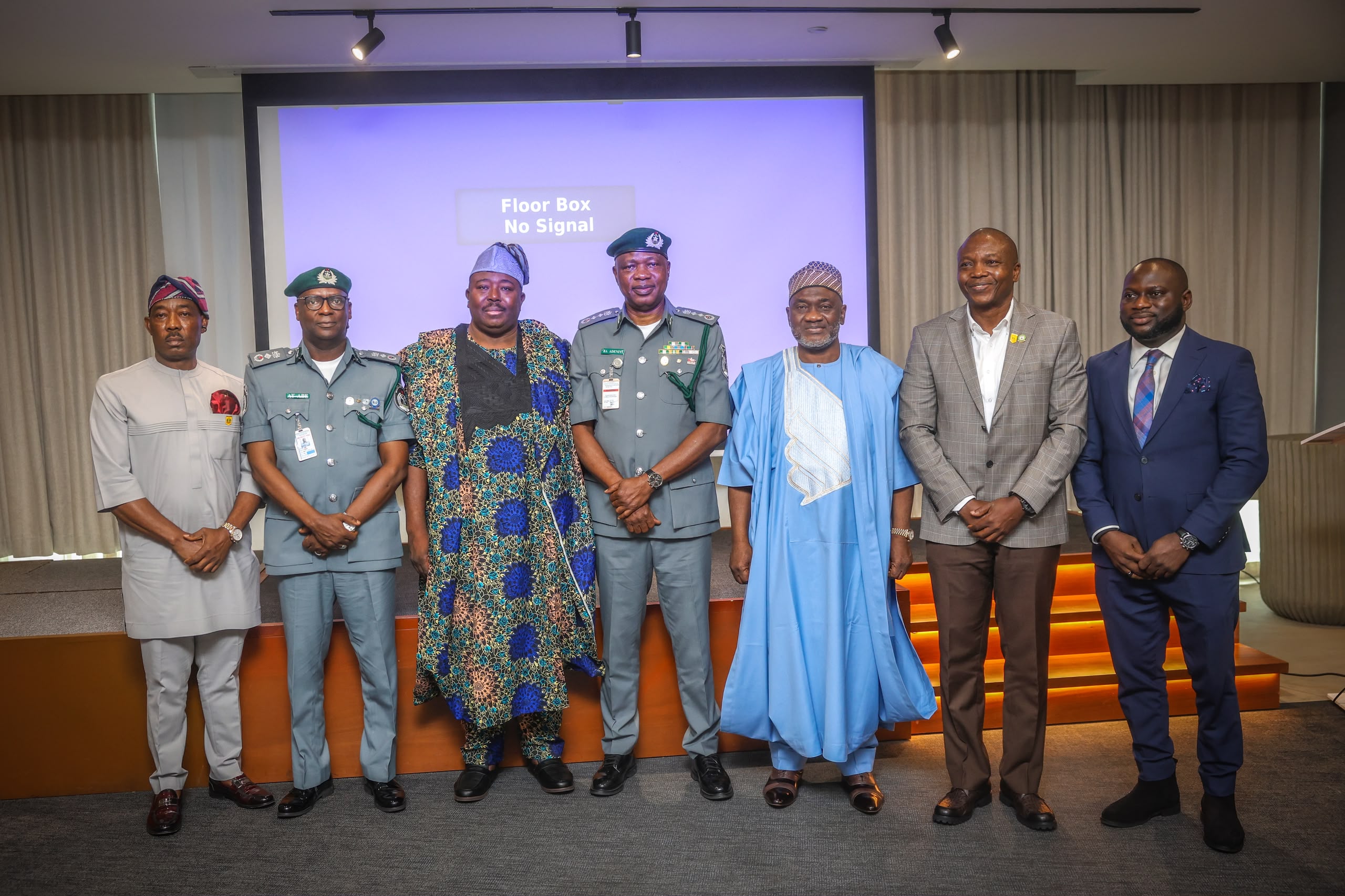
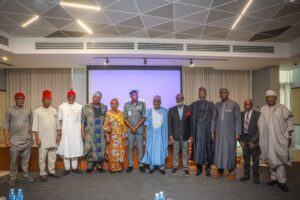
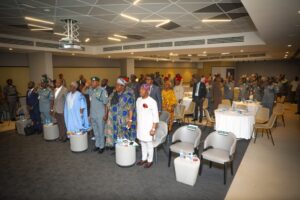
At a retreat for the Senate Committee on Customs, Excise and Tariffs held on 5 August 2026, Comptroller-General Adewale Adeniyi stressed that effective oversight requires lawmakers to fully grasp the Service’s digital transformation. He explained that the retreat was designed to close knowledge gaps, enabling senators to evaluate reforms from an informed standpoint and provide statutory reinforcement for long-term stability.
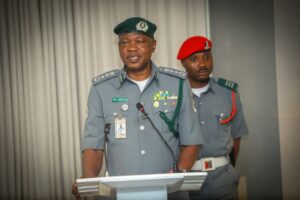
“While some provisions had worked as intended, others had proved difficult to apply or had been overtaken by the rapidly changing trade environment. We are requesting considerable amendments to ensure the Act remains relevant to fast-moving trade policies and supports the Service’s modernisation agenda,” Adeniyi said.
He noted that although the Service enjoys strong backing from President Bola Ahmed Tinubu and the NCS Board chaired by Finance Minister Taiwo Oyedele, enduring progress requires legislative protection that transcends any single administration.
Deputy Comptroller-General Tijani Abbey highlighted the scope of reforms, including the B’Odogwu Trade Management System, intelligence-driven post-clearance audits, the Authorised Economic Operator (AEO) Program, coordinated border management, and end-to-end digital integration to enhance revenue, trade facilitation, and national security.
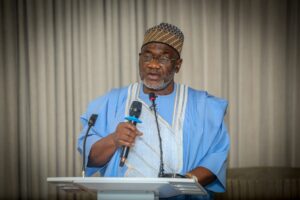
Senate Committee Chairman Senator Isah Jibrin commended the NCS for surpassing revenue targets despite operational challenges. He pledged the National Assembly’s readiness to provide statutory backing, urging the Service to identify and address its challenges for more inclusive performance.
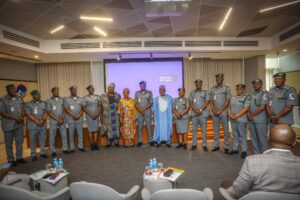
Jibrin also congratulated Adeniyi on his re-election as Chairperson of the World Customs Organisation (WCO) Council, describing it as proof of Nigeria’s growing influence in global trade and customs administration.