
CGC Adeniyi Signs Anti-Corruption Documents, Activates ICRAM Steering
CGC Adeniyi Signs Anti-Corruption Documents, Activates ICRAM Steering
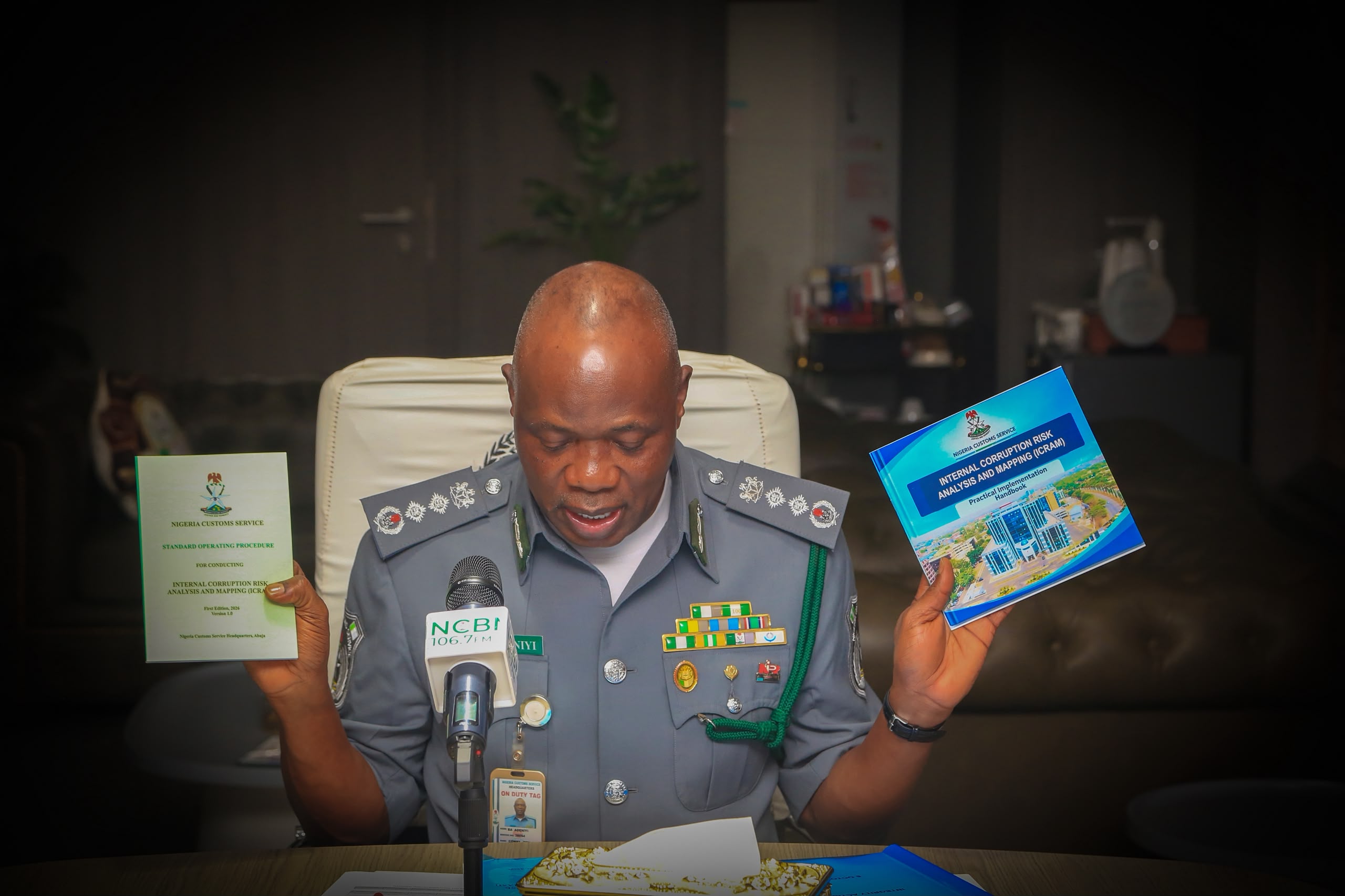
Comptroller-General of Customs (CGC), Adewale Adeniyi, has signed three landmark anti-corruption documents — the Standard Operating Procedure (SOP) for Conducting Internal Corruption Risk Analysis and Mapping (ICRAM), the ICRAM Handbook, and the Integrity Action Plan — directing their immediate rollout across all zones, commands, and units of the Nigeria Customs Service (NCS).
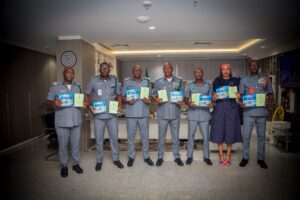
The signing ceremony, held Tuesday, 6 October 2026, at the NCS Headquarters in Maitama, Abuja, also marked the formal activation of the ICRAM Steering Committee. This step cements a systematic framework for identifying, assessing, and mapping corruption risks across operational and administrative processes.
Speaking at the event, CGC Adeniyi emphasized that the documents were the product of a rigorous collaboration between an internal team, the World Customs Organisation (WCO), and partner administrations such as His Majesty’s Revenue and Customs (HMRC).
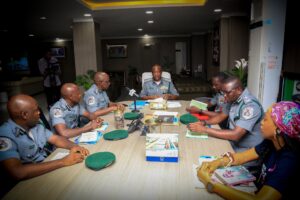
“We want to believe that we have laid a practical step, very easy to follow, for all our operatives at the ports, the borders, and the airports, to be able to conduct corruption risk mapping in their places, giving them the opportunity and capacity to implement the action plan to instil integrity in our system,” he said.
Assistant Comptroller-General of Customs, Strategic Research and Policy Department, ACG Nafi’u Isyaku, who led the presentation of the documents, sought approval for their full rollout across the Service.
Before the launch, the ICRAM methodology was piloted across seven key Commands and Units, covering 66 processes in regulatory, core Customs, and support functions:
Sea Modality: Apapa Area Command.
Air Modality: Murtala Muhammed Cargo (MMAC) and Murtala Muhammed International Airport (MMIA) Commands
Land Modality: Seme Area Command
Specialised Units: Customs Police Unit Zone A, PAAR Ruling Centre, and the Procurement Unit.
The pilot produced a comprehensive Integrity Action Plan (IAP) with 101 Action Items and 295 Sub-Action Items, focusing on enhanced automation, strengthened supervision and accountability, robust audit trails and traceability, clear segregation of duties, regular staff rotation, targeted training, and improved officer-stakeholder controls.