

FG Moves Closer to State Police as Tinubu Set to Receive National Policing Bill in September
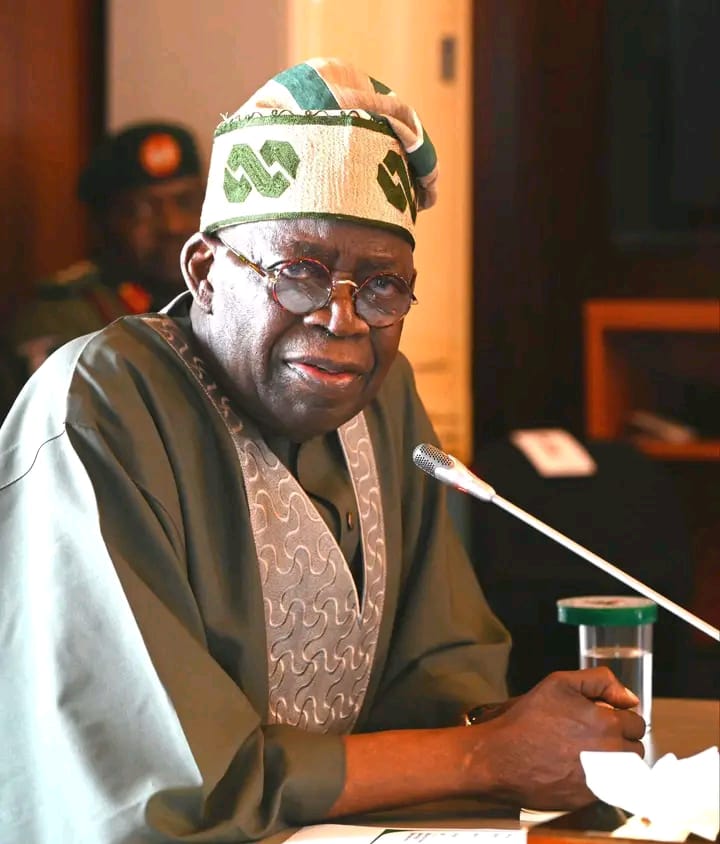
FG Moves Closer to State Police as Tinubu Set to Receive National Policing Bill in September
President Bola Ahmed Tinubu is expected to receive the proposed National Policing Bill on September 3, 2026, as the Federal Government advances plans to establish a state policing system across Nigeria.
As part of efforts to ensure public participation in the legislative process, the Presidency has also launched an online platform where Nigerians can submit comments, recommendations and memoranda before the bill is forwarded to the National Assembly.
Chief of Staff to the President, Rt. Hon. Femi Gbajabiamila, disclosed this after a meeting of the Presidential Working Group at the Presidential Villa, Abuja, on Monday. He explained that the drafting process would span seven weeks, from July 27 to September 14.
According to him, the Executive Bill package is scheduled to be presented to President Tinubu on September 3, after which public consultations will continue before the President grants final approval for its transmission to the National Assembly.
Gbajabiamila described the proposed legislation as a landmark reform aimed at overhauling Nigeria’s policing framework.
“This is a monumental reform that Nigerians have debated for many years,” he said.
He explained that the bill seeks to establish “a lawful, professional and sustainable federal and state policing system” that will strengthen community security while safeguarding national security and the constitutional rights of citizens.
The Chief of Staff noted that although both chambers of the National Assembly have passed constitutional amendments to pave the way for state police, the process is not yet complete.
He said the amendments must still secure approval from the required number of State Houses of Assembly before becoming law, stressing that the Nigeria Police Force remains the country’s only constitutionally recognised police agency until that process is concluded.
Gbajabiamila also warned against the potential abuse of state policing by political office holders, insisting that governors and other elected officials must not use security agencies to intimidate or persecute political opponents.
“No political officeholder should be able to direct the arrest of an opponent, suppress lawful political activity or enforce the law selectively,” he said, adding that any federal intervention in state policing should only occur under exceptional circumstances, be evidence-based, limited in scope and subject to review.
To encourage wider stakeholder engagement, the Presidency unveiled nationalpolicingbill.com, a dedicated portal where Nigerians can submit suggestions and recommendations over a two-week consultation period, with the possibility of an extension.
On the financial implications of implementing state police, Gbajabiamila said it was premature to estimate the cost, noting that expenditure would depend on detailed assessments and the individual needs and capacities of each state.
He added that while the proposed framework would set minimum national policing standards, states with greater resources and capacity would be allowed to exceed those benchmarks in delivering security services.