

EFCC Secures Final Forfeiture of 48 Properties Tied to Former AGF Malami
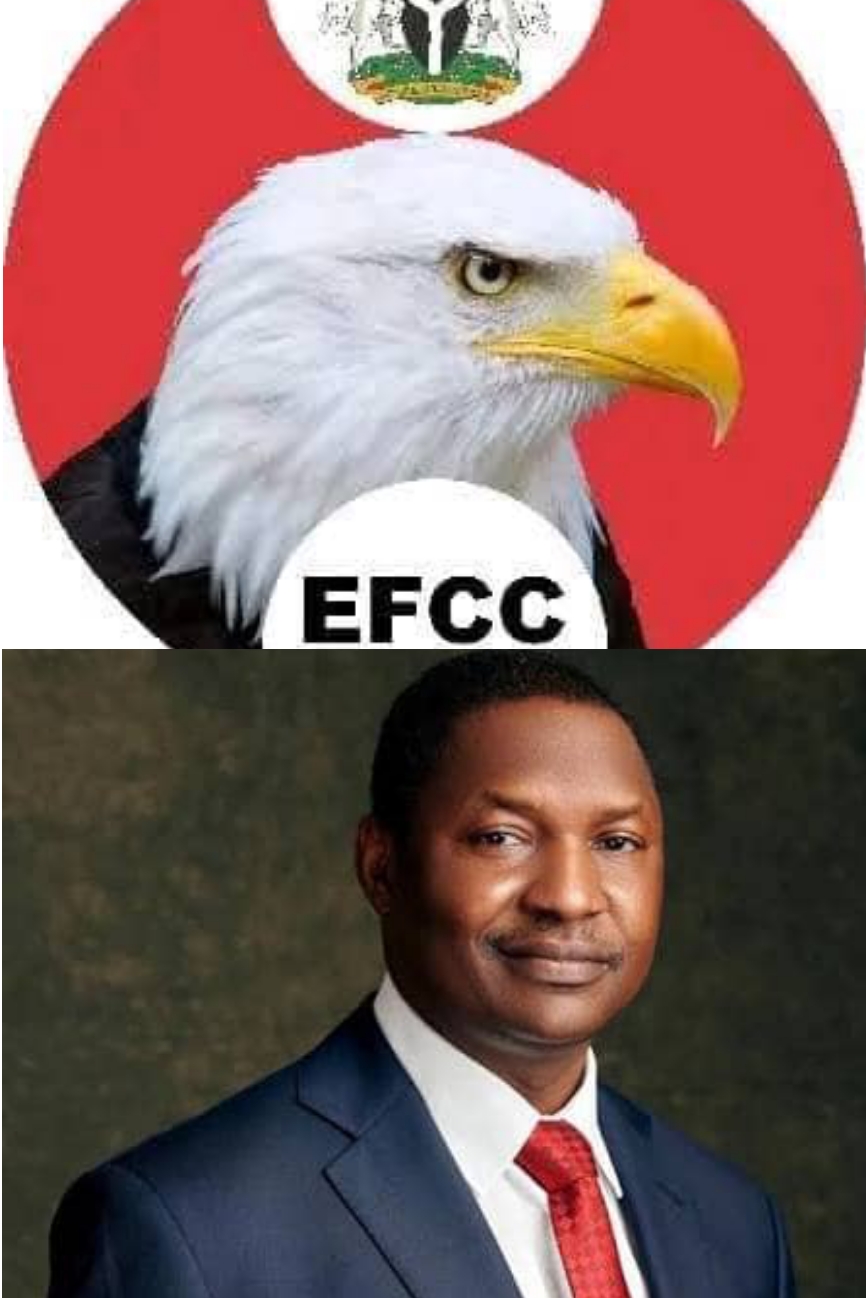
EFCC Secures Final Forfeiture of 48 Properties Tied to Former AGF Malami
A Federal High Court sitting in Abuja has ordered the final forfeiture of 48 properties linked to former Attorney-General of the Federation and Minister of Justice, Abubakar Malami, handing a major victory to the Economic and Financial Crimes Commission (EFCC) in its ongoing asset recovery campaign.
Justice Joyce Abdulmalik delivered the judgment after granting the EFCC’s application to permanently transfer the affected assets to the Federal Government, ruling that the properties were liable to forfeiture under Nigeria’s asset recovery laws.
The ruling followed months of legal proceedings in which the anti-graft agency argued that the properties were reasonably suspected to have been acquired through unlawful means.
The court had earlier issued interim forfeiture orders before hearing submissions from both the EFCC and legal representatives of the respondents on whether the assets should be permanently forfeited.
According to the EFCC, sufficient evidence was presented to justify the final forfeiture under Nigeria’s non-conviction-based asset recovery framework, which allows courts to order the forfeiture of assets linked to unlawful activities even in the absence of a criminal conviction.
Although the initial proceedings covered 57 properties, the court granted final forfeiture of 48, determining their permanent transfer to the Federal Government.
The judgment is regarded as one of the EFCC’s most significant asset recovery victories involving high-value real estate.
Asset forfeiture remains a key component of Nigeria’s anti-corruption strategy, aimed at recovering proceeds of unlawful activities and promoting accountability.
The EFCC has consistently maintained that recovering illicit assets prevents illegally acquired wealth from remaining in private hands and strengthens public confidence in anti-corruption efforts.
Beyond its legal implications, the case underscores the growing emphasis on transparency and compliance within Nigeria’s real estate sector.
Analysts say major forfeiture cases reinforce the need for proper documentation, disclosure of beneficial ownership and strict adherence to anti-money laundering regulations to safeguard the integrity of the property market.
Stakeholders also believe stronger enforcement of asset recovery laws will discourage the use of real estate to conceal illicit wealth while promoting greater transparency in property transactions.
The judgment further highlights the judiciary’s role in ensuring due process in asset recovery proceedings, with the court weighing evidence presented by both parties before reaching its decision.
The forfeiture of the 48 properties marks another milestone in Nigeria’s efforts to strengthen asset recovery and improve governance through enhanced transparency and judicial oversight.
It also signals increasing scrutiny of high-value real estate transactions within the country’s anti-corruption framework.