
Senate Opposes Makinde’s Push for UN Probe of Oyo School Abduction, Backs Nigerian Investigation
Senate Opposes Makinde’s Push for UN Probe of Oyo School Abduction, Backs Nigerian Investigation
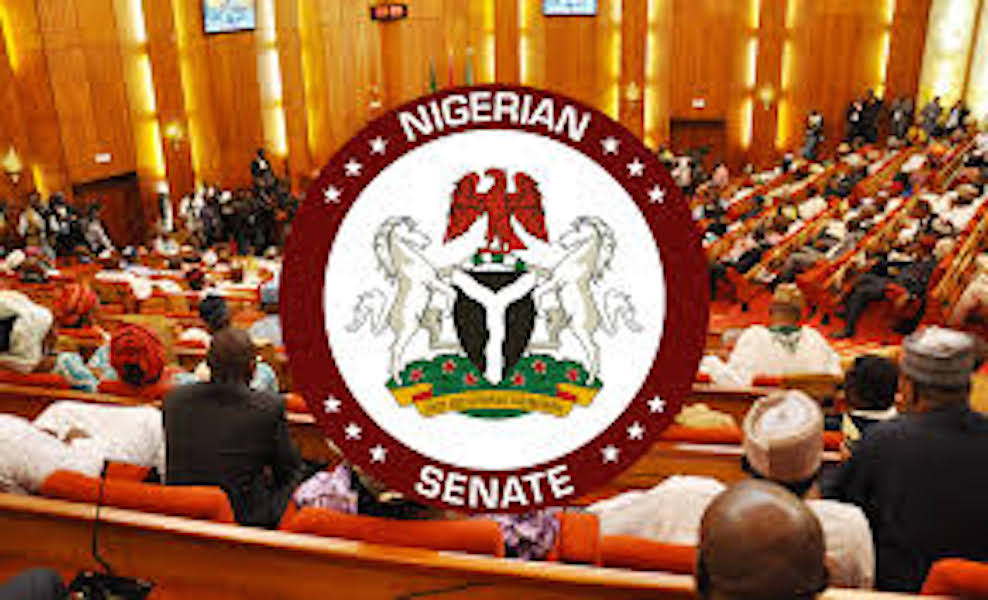
The Senate on Tuesday rejected Oyo State Governor Seyi Makinde’s call for a United Nations-backed investigation into the abduction of pupils and teachers in Oriire Local Government Area of Oyo State, insisting that the incident should be handled by Nigerian security and investigative agencies.
The decision was reached during plenary as lawmakers deliberated on the successful rescue of the abducted pupils and teachers, who regained their freedom after spending 56 days in captivity following a coordinated operation by the Nigerian Army, the Nigeria Police Force, the Department of State Services (DSS) and other security agencies.
The Senate maintained that internationalising the investigation could undermine Nigeria’s sovereignty and create the impression that the country’s security institutions lack the capacity to investigate and address internal security challenges.
Leading the debate, Senator Adams Oshiomhole criticised Governor Makinde’s proposal to involve the United Nations and international civil society organisations in investigating the circumstances surrounding the abduction.
According to Oshiomhole, there was no justification for inviting international bodies after Nigerian security agencies successfully rescued the victims through what has been described as an intelligence-driven operation.
He argued that such a move could weaken public confidence in Nigeria’s security architecture and project a negative image of the country’s ability to manage its internal security affairs.
Following the debate, the Senate resolved that Governor Makinde should allow the appropriate Nigerian institutions to conclude investigations into the abduction and the circumstances surrounding the victims’ prolonged captivity.
Lawmakers stressed that the Federal Government, the military, the police and intelligence agencies have both the constitutional mandate and institutional capacity to investigate the crime and ensure that those responsible are brought to justice.
The Senate also commended President Bola Ahmed Tinubu, the Armed Forces, the Office of the National Security Adviser, the Nigeria Police Force, the DSS, the National Intelligence Agency (NIA) and other security organisations for their coordinated efforts that resulted in the safe rescue of the victims.
The lawmakers described the operation as evidence of improved collaboration among Nigeria’s security agencies and praised the professionalism, courage and sacrifices of the personnel involved.
The upper chamber also observed a minute’s silence in honour of the military personnel and police officers who reportedly lost their lives during the rescue operation.
It urged the Federal Government to ensure the prompt payment of insurance benefits, pensions and other entitlements to the families of the fallen officers while calling for increased investment in intelligence gathering, logistics, surveillance technology and personnel welfare.
Governor Makinde had, in a statewide broadcast after the victims regained their freedom, advocated an independent investigation involving relevant United Nations agencies and international accountability organisations.
According to the governor, an international inquiry would help establish the full circumstances surrounding the abduction, identify possible institutional lapses and enhance public confidence in the findings.
His proposal has, however, generated mixed reactions. While supporters argue that it would promote transparency and accountability, critics insist that Nigeria’s institutions should be allowed to complete their investigations without external intervention.
The Presidency has also opposed the governor’s position, maintaining that the successful rescue operation demonstrated the effectiveness of Nigerian security agencies and that there is no basis for an international investigation.
The pupils and teachers were abducted on May 15, 2026, after armed criminals attacked three schools in Oriire Local Government Area of Oyo State. They were rescued on July 10 after spending nearly two months in captivity.
The incident remains one of the country’s most significant school abduction cases in recent years and has reignited debate over security, accountability and the appropriate framework for investigating major kidnapping incidents.
The Senate on Tuesday rejected Oyo State Governor Seyi Makinde’s call for a United Nations-backed investigation into the abduction of pupils and teachers in Oriire Local Government Area of Oyo State, insisting that the incident should be handled by Nigerian security and investigative agencies.
The decision was reached during plenary as lawmakers deliberated on the successful rescue of the abducted pupils and teachers, who regained their freedom after spending 56 days in captivity following a coordinated operation by the Nigerian Army, the Nigeria Police Force, the Department of State Services (DSS) and other security agencies.
The Senate maintained that internationalising the investigation could undermine Nigeria’s sovereignty and create the impression that the country’s security institutions lack the capacity to investigate and address internal security challenges.
Leading the debate, Senator Adams Oshiomhole criticised Governor Makinde’s proposal to involve the United Nations and international civil society organisations in investigating the circumstances surrounding the abduction.
According to Oshiomhole, there was no justification for inviting international bodies after Nigerian security agencies successfully rescued the victims through what has been described as an intelligence-driven operation.
He argued that such a move could weaken public confidence in Nigeria’s security architecture and project a negative image of the country’s ability to manage its internal security affairs.
Following the debate, the Senate resolved that Governor Makinde should allow the appropriate Nigerian institutions to conclude investigations into the abduction and the circumstances surrounding the victims’ prolonged captivity.
Lawmakers stressed that the Federal Government, the military, the police and intelligence agencies have both the constitutional mandate and institutional capacity to investigate the crime and ensure that those responsible are brought to justice.
The Senate also commended President Bola Ahmed Tinubu, the Armed Forces, the Office of the National Security Adviser, the Nigeria Police Force, the DSS, the National Intelligence Agency (NIA) and other security organisations for their coordinated efforts that resulted in the safe rescue of the victims.
The lawmakers described the operation as evidence of improved collaboration among Nigeria’s security agencies and praised the professionalism, courage and sacrifices of the personnel involved.
The upper chamber also observed a minute’s silence in honour of the military personnel and police officers who reportedly lost their lives during the rescue operation.
It urged the Federal Government to ensure the prompt payment of insurance benefits, pensions and other entitlements to the families of the fallen officers while calling for increased investment in intelligence gathering, logistics, surveillance technology and personnel welfare.
Governor Makinde had, in a statewide broadcast after the victims regained their freedom, advocated an independent investigation involving relevant United Nations agencies and international accountability organisations.
According to the governor, an international inquiry would help establish the full circumstances surrounding the abduction, identify possible institutional lapses and enhance public confidence in the findings.
His proposal has, however, generated mixed reactions. While supporters argue that it would promote transparency and accountability, critics insist that Nigeria’s institutions should be allowed to complete their investigations without external intervention.
The Presidency has also opposed the governor’s position, maintaining that the successful rescue operation demonstrated the effectiveness of Nigerian security agencies and that there is no basis for an international investigation.
The pupils and teachers were abducted on May 15, 2026, after armed criminals attacked three schools in Oriire Local Government Area of Oyo State. They were rescued on July 10 after spending nearly two months in captivity.
The incident remains one of the country’s most significant school abduction cases in recent years and has reignited debate over security, accountability and the appropriate framework for investigating major kidnap