
National Intelligence Poverty Lab to Revolutionise Nigeria’s Fight Against Poverty – Minister
National Intelligence Poverty Lab to Revolutionise Nigeria’s Fight Against Poverty – Minister
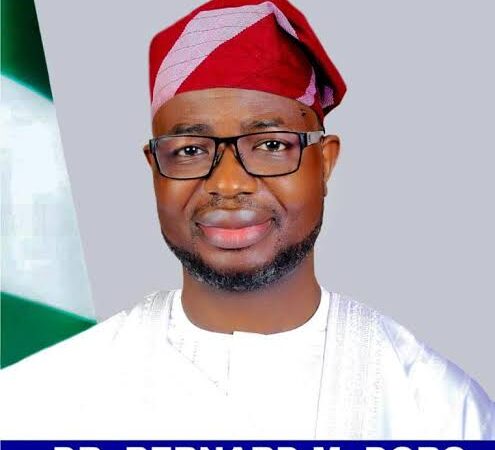
The Minister of Humanitarian Affairs and Poverty Reduction, Dr Bernard Doro, says the newly unveiled National Poverty Intelligence Lab (NPIL) is an ignition to help fast track a reform journey that will transform how Nigeria understands, responds to, and ultimately reduces poverty at scale.
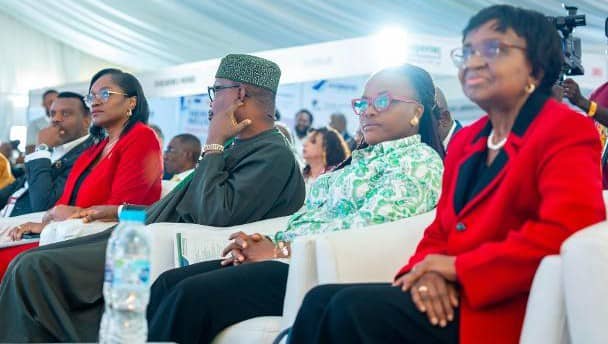
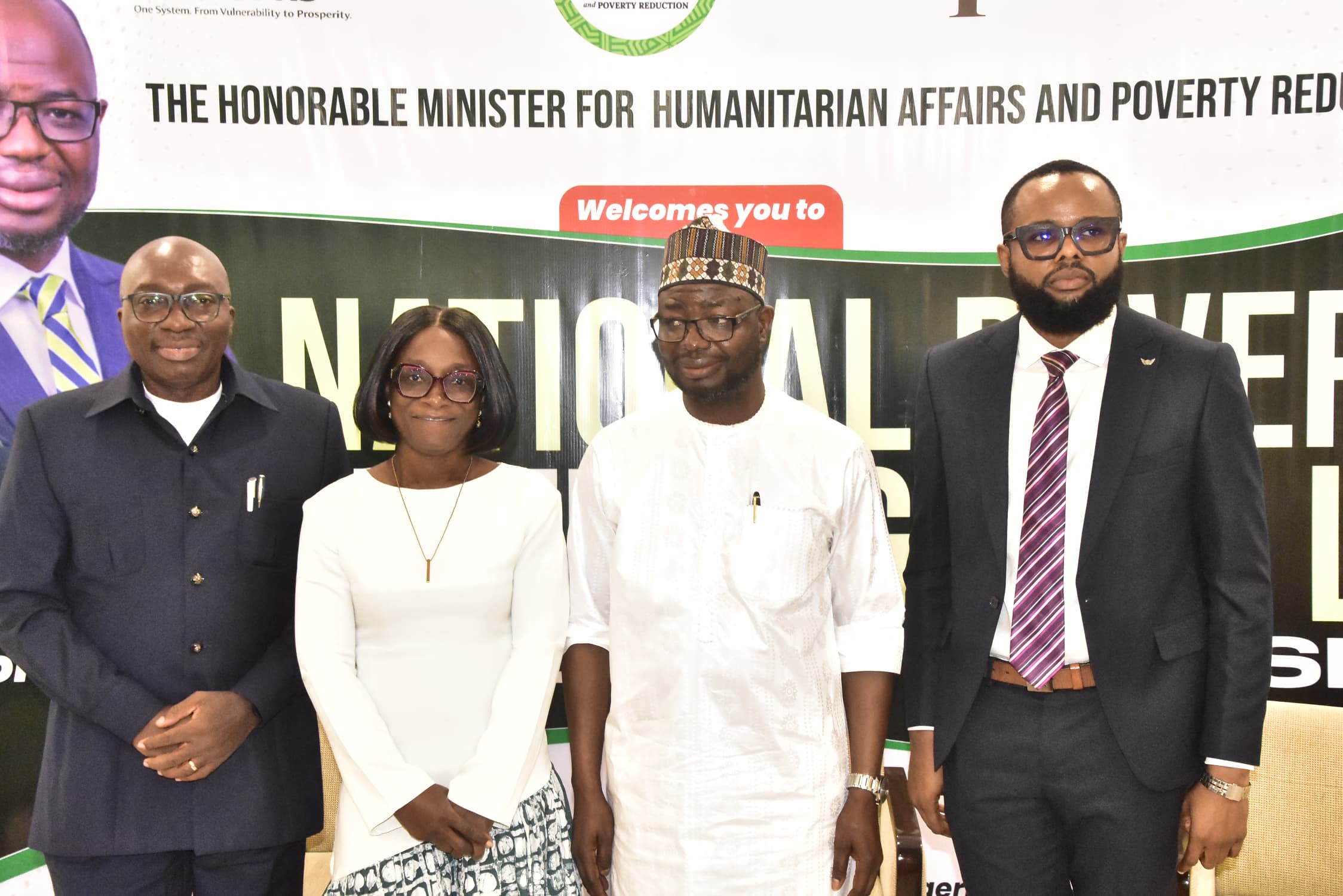
The minister said this at the unveiling of the NPIL at a Three -Day Workshop on understanding how to use the instruments of the lab to better tackle poverty issues in Nigeria.
The workshop, organized by the ministry in collaboration with the Innovations For Poverty Action (IPA) kicked off in Abuja on Wednesday.
“I am super excited to witness the beginning of the operationalisation of what we have long envisioned — a truly integrated national system for poverty intelligence and humanitarian response.”
Doro said that Nigeria faced one of the most complex poverty challenges in the world.
“What this moment demands is not more of the same. It demands systems, intelligence, evidence-driven leadership, and above all, coordinated and accountable action. That is exactly what today’s event is about.
“The poverty challenges in Nigeria can be traced to so many decades of different administrations. What the Federal Government wants to achieve is to find a way to ensure that policies and programmes for the poor achieve the targeted result.
The minister pointed out that the national poverty intelligence lab will serve as the intelligence backbone of Nigeria’s poverty reduction architecture.
“The Lab will underpin policy formulation, programme design & implementation, resource allocation, and performance management. For many years, our interventions have been driven by assumptions rather than evidence, sometimes by politics rather than data, and by silos rather than systems.
“The NPIL changes that. It gives us the analytical infrastructure to ask the right questions, find credible answers, and hold ourselves accountable for results.
“The Renewed Hope Agenda calls us to a higher standard. We are moving from palliatives to pathways; from fragmented projects to integrated systems; from measuring spending to measuring outcomes; and from dependency to dignity.
“Every household we reach through the One Humanitarian One Poverty Response System (OHOPRS) is a household we intend to graduate from vulnerability — not just today but permanently. That is the ambition. And the NPIL is the engine that will tell us whether we are getting there,” he said.
The minister pointed out that poverty cannot be reduced through assumptions or solved through scattered interventions, operating without coordination or accountability.
“Through OHOPRS, we are building the systems. Through the NPIL, we are building the intelligence. Together, and they will help Nigeria move from fragmented interventions to coordinated outcomes, from palliatives to pathways, and from vulnerability to prosperity.
“The establishment of the NPIL is not merely a technical exercise. It is simultaneously a governance reform, an accountability reform, a systems reform, and ultimately — a poverty reduction reform.”
He pledged that the President Bola Tinubu led administration remained fully committed to pathways of not just reducing poverty but sustaining a better life for Nigerians.
Speaking on why the OHOPRS required the NPIL, Doro said it was founded on a fundamental realization that poverty and vulnerability do not exist in separate compartments.
“Humanitarian assistance, social protection, resilience-building, and poverty reduction must operate, not as parallel tracks but as one coordinated, coherent system.
“The Lab will serve as the evidence and intelligence backbone of this system — ensuring that every intervention under OHOPRS is informed, targeted, and measurable.
“The OHOPRS is not another programme layered onto an already crowded landscape. It is a national operating model and a governing architecture.
“The OHOPRS ensures that government, development partners, humanitarian actors, and the civil society worked within a shared framework guided by common objectives, common standards, integrated data, and measurable outcomes.
Earlier, the Country Representative of IPA, Mrs Fumi Ayeni said the collaboration is aimed at determining what the poor and vulnerable truly desired and how to reduce duplications in interventions.
Ayeni noted that getting people out of poverty starts with everybody and would enable policy formulators to build a legacy to help reduce poverty to its lowest in Nigeria.
She said the workshop would enable so many conversations on how to get the people out of poverty.
While speaking with the media, Dr Abimbola Fasanu, a discussants and Senior Technical Adviser to the Minister on Information System and Data Analysis, said participants at the workshop included representatives of IPA, development partners, heads of agencies in the ministry and programmes, and other stakeholders.
Fasanu pointed out that Data is not just a bureaucratic requirement but a strategic national asset.
“Globally, government’s policies and programmes are informed by data. At the end of the day, the project will enable Nigeria and the ministry to make better informed decisions whose outcomes could be measurable.
“The data could also be assessed by the private sector and individuals willing to offer humanitarian assistance to the needy,’ she said.
The MEL and Data Systems Diagnostic Exercise will identify institutional strengths, expose critical gaps, assess systemic capacities, and provide a clear roadmap for building a modern, integrated evidence architecture.
The goal is not data for its own sake but decision-making that is faster, smarter, and more responsive to the realities that 140 million Nigerians live every single day.