
Cardoso Seeks Fair Representation in ECOWAS Monetary Union
Cardoso Seeks Fair Representation in ECOWAS Monetary Union
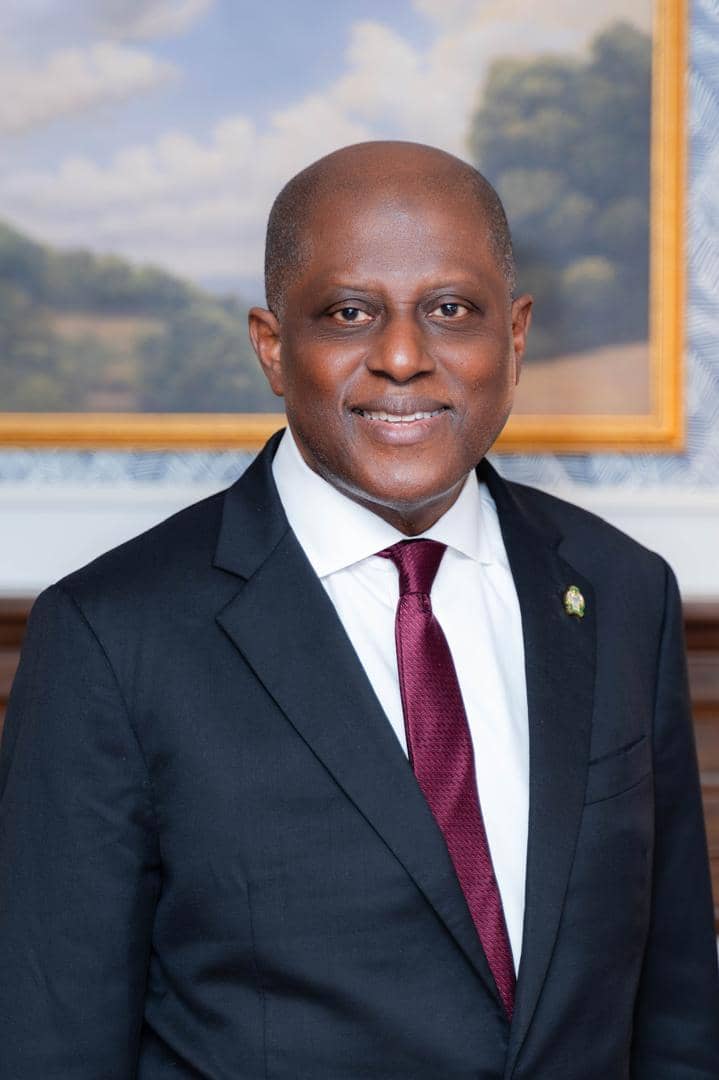
The Governor of the Central Bank of Nigeria (CBN), Olayemi Cardoso, has called for equity, fairness and proportional representation in the governance structure of the proposed ECOWAS Monetary Union, stressing that regional solidarity must be balanced with the financial commitments, responsibilities and risks borne by individual member states.
Cardoso made the call on Friday in Abidjan, Côte d’Ivoire, while representing Nigeria at the Ministerial Session of the 6th Presidential Task Force Meeting on the ECOWAS Single Currency Programme.
He described the meeting as a defining milestone in the region’s monetary integration process, noting that discussions had focused on the institutional architecture of the proposed Monetary Union, including the location of its institutions, leadership appointments and the allocation of authority and responsibilities.
According to him, the decisions being taken would shape the credibility, legitimacy and sustainability of the Union for decades to come.
Cardoso reaffirmed Nigeria’s longstanding commitment to the ECOWAS Monetary Cooperation Programme and the establishment of the ECO single currency, citing the country’s substantial financial contributions, technical support and compromises in the interest of regional consensus.
He, however, argued that solidarity must be accompanied by equity, particularly in the governance of institutions supported by countries with larger economies and greater financial responsibilities.
The CBN governor said larger economies should have significant roles in decision-making because of their systemic importance and the risks they bear in supporting the Union.
He stressed that where obligations are shared without corresponding influence, the sustainability of the arrangement could become difficult to guarantee.
Reiterating Nigeria’s position, Cardoso said the country’s demand was not motivated by dominance or entitlement, but by responsibility arising from its position as the region’s largest economy and one of the principal contributors to the proposed Monetary Union.
He noted that Nigeria would commit substantial financial resources, reserves, and institutional capital to the success of the Union and, therefore, responsibility, accountability, and participation in governance should reflect the scale of those commitments
He urged member states to approach the deliberations with openness, mutual respect, and a willingness to compromise while ensuring that every country has a tangible stake in the success of the Union.
The meeting focused on accelerating preparations for the phased introduction of the proposed ECO single currency from 2027 and on resolving critical institutional and governance arrangements required for the establishment of the ECOWAS Monetary Union.