
Poor Planning Has Shifted Apapa’s Traffic Woes to Lekki, Says Omatseye
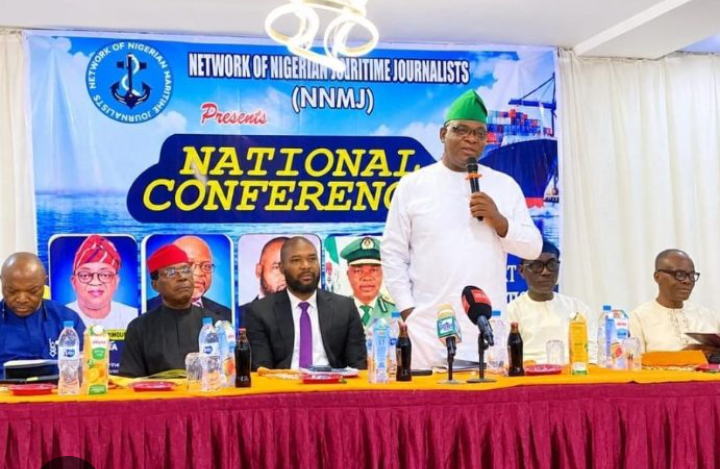
Poor Planning Has Shifted Apapa’s Traffic Woes to Lekki, Says Omatseye
Former Nigerian Maritime Administration and Safety Agency (NIMASA) Director-General Dr. Temisan Omatseye has criticised Nigeria’s port planning, saying the congestion that once plagued Apapa has been transferred to the Lekki corridor.
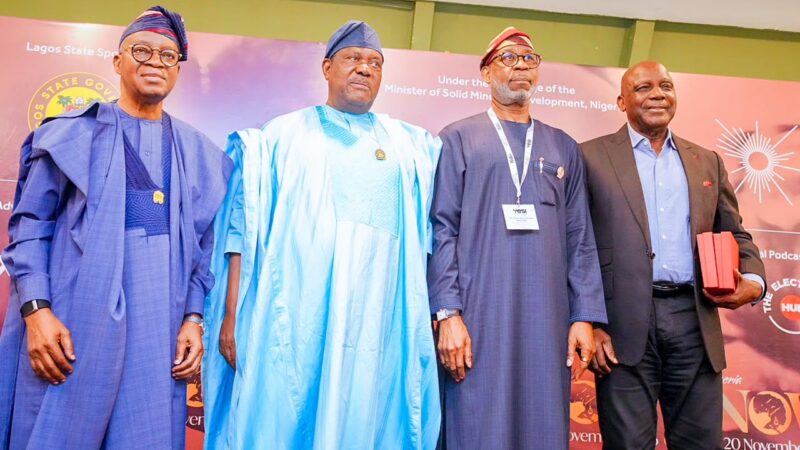
Speaking as chairman of a conference organised by the Network of Nigerian Maritime Media Journalists (NNMMJ), Omatseye questioned the lack of effective cargo evacuation options for new and planned ports.
The conference focused on “Seaport Modernisation, Trade Facilitation and Revenue Generation.”
He said Lekki Deep Seaport was built without adequate supporting infrastructure, including a bypass, dedicated truck routes, rail links and a plan to keep heavy vehicles away from residential and commercial areas.
“We did not fix Apapa. We simply moved its chaos to Lekki,” Omatseye said, warning that Nigeria’s ports, as currently configured, would not support a $1 trillion economy by 2030. He also questioned why trucks could not travel through Ogun State to reach the port instead of passing through central parts of Lagos.
Omatseye said Nigeria could unlock the value of its 53 commercially viable solid minerals through coordinated investment in ports, railways and industrial infrastructure. He cited Guinea’s Simandou iron ore project, which includes a 650-kilometre railway linking mining areas to a dedicated port, as an example of integrated development attracting international investment.
Keynote speaker Emeka Akabogu (SAN) also said that modernising seaports, improving trade facilitation and strengthening maritime infrastructure would be important to Nigeria’s ambition of building a $1 trillion economy.
Akabogu said Nigeria’s maritime capacity should be measured using indicators including container traffic, cargo throughput, vessel calls, ship turnaround times, vessel occupancy, port connectivity, export performance and the capacity of Nigerian-registered ships. He said these measures help determine how efficiently and competitively the country’s ports operate.
He also noted that about 90 per cent of cargo transported to and from Nigerian ports moves by road. This reliance, he said, puts heavy pressure on port access roads, worsens congestion and slows cargo delivery. Akabogu called for improved rail links and alternative cargo evacuation routes to create a more integrated logistics network.
The keynote speaker said Nigeria’s goal of growing its economy from about $290 billion in 2025 to $1 trillion by 2030 would require annual growth of roughly 26.8 per cent.
“Pause and think about that: 26.8% every year, for five years straight. No African economy of Nigeria’s size has ever done that consistently. And yet, that is what the target demands,” he said.
Akabogu argued that ports would need to support this growth, but their current pace of expansion was inadequate. He pointed to a similar gap in general cargo: throughput of about 130 million metric tonnes in 2025 could reach 230 million tonnes by 2030 if present trends continued. However, the projected economic growth would require throughput of between 330 million and 442 million tonnes.
Earlier, in his welcome address, NNMJ Chairman Elder Dele Aderibigbe said the conference was designed to bring industry players, policymakers and other stakeholders together to discuss the challenges facing Nigeria’s seaports and identify practical solutions.